Hiroshige Harimaze Print
Pleasure Boat at Ryogoku, Matsuchi Hill and Sanya Moat, Plums at Umeyashiki
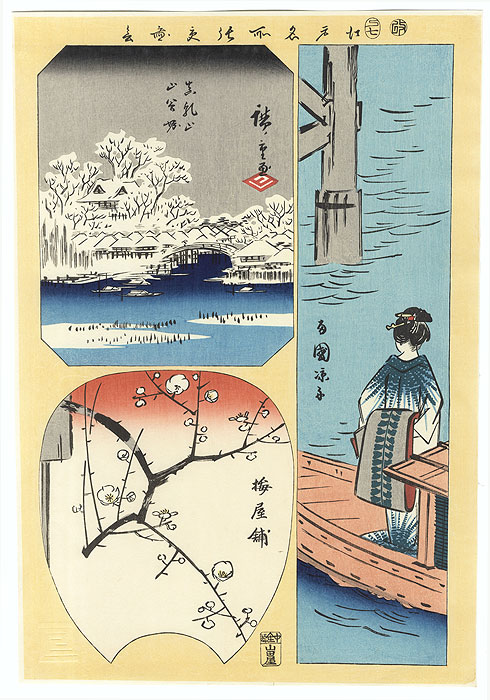
This Hiroshige harimaze print holds extraordinary significance as it comes from the very series that Frank Lloyd Wright personally collected. In 1913, while visiting Japan to secure the commission for the Imperial Hotel, Wright purchased an almost complete set of the original woodblocks for Hiroshige's "Harimaze Pictures of Famous Places in Edo."
This acquisition was not merely that of a casual collector—Wright was deeply influenced by Japanese art and saw in these prints the embodiment of principles that would become central to his architectural philosophy. The geometric structure, simplification of form, and harmony with nature that characterize these prints directly influenced Wright's development of organic architecture.
In 1991, scholar Roger Keyes rediscovered Wright's original Hiroshige woodblocks in the Frank Lloyd Wright Archives. Working with the Adachi Institute of Woodblock Prints, the Archives produced a limited re-issue of only 220 sets, each containing 10 woodblock prints and bearing the embossed seal of Wright's Taliesin West.
Harimaze-e (張交絵), literally meaning "mixed pasted prints," were a popular format during Japan's Edo period (1603-1868). These prints featured multiple small scenes on a single sheet, designed to be cut apart and pasted into albums or applied to decorative screens.
Harimaze prints represented both artistic innovation and practical efficiency. They allowed artists to showcase multiple compositions and techniques on a single sheet while providing publishers with a cost-effective way to present various designs. For collectors, they offered an affordable way to acquire multiple scenes of famous places.
This particular print showcases three distinct scenes from Edo (modern Tokyo):
Wright's attraction to Japanese prints went far beyond aesthetic appreciation. In his 1912 essay "The Japanese Print: An Interpretation," Wright articulated how these works embodied principles that became fundamental to his architectural approach:
Wright admired how Japanese artists could "tell you what he knows in a single drawing, but never will he attempt to tell you all he knows." This principle of simplification—removing unnecessary elements to focus on the essential—became central to Wright's design methodology.
The underlying geometric principles in Japanese prints provided Wright with a model for creating what he called "spell-power" in design. The mathematical relationships and proportional systems evident in harimaze prints influenced Wright's approach to architectural composition.
Wright saw in Japanese prints the embodiment of "organic integrity"—the idea that all elements of a work should grow naturally from a unified concept. This principle became the foundation of his organic architecture philosophy.
The way Japanese artists depicted the relationship between human activity and natural settings provided Wright with a model for integrating architecture with landscape—a hallmark of his Prairie School and later works.
Hiroshige was one of the last great masters of ukiyo-e ("pictures of the floating world"), the woodblock printing tradition that flourished during Japan's Edo period. Known particularly for his landscape prints, Hiroshige created over 8,000 works during his career, capturing the beauty of everyday life and the Japanese landscape with unprecedented poetic sensitivity.
The Edo period (1603-1868) was a time of peace, prosperity, and cultural flowering in Japan. Ukiyo-e prints emerged as a popular art form, initially depicting the pleasure quarters and kabuki actors, but later expanding to include landscapes, famous places, and scenes of daily life. These prints were affordable and accessible, making art available to the merchant class and common people.
When Japan opened to the West in the 1850s, Japanese art, including ukiyo-e prints, had a profound impact on Western artists and designers. This influence, known as Japonism, affected everyone from Impressionist painters like Monet and Van Gogh to architects like Frank Lloyd Wright, fundamentally changing Western approaches to composition, color, and spatial relationships.
This Hiroshige harimaze print serves as a crucial bridge in understanding the cross-cultural influences that shaped modern design. It represents:
Together with Wright's signed autobiography, the Froebel blocks that influenced his childhood development, and the works by his apprentices, this print completes a narrative of artistic influence and cultural exchange that spans continents and centuries.
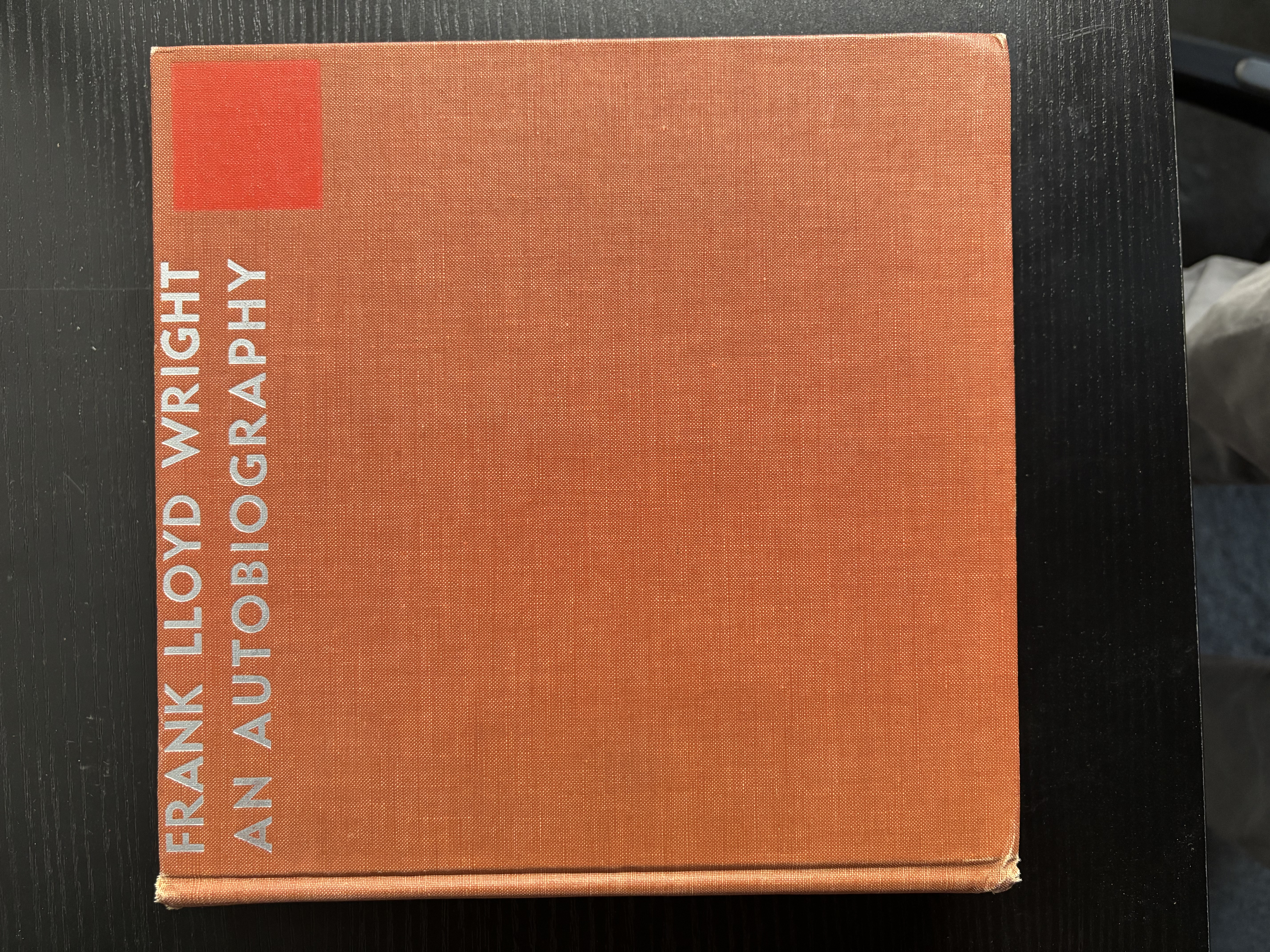
Wright's signed autobiography, where he discusses his appreciation for Japanese art and its influence on his work.
View Details
The geometric educational toys that, like Japanese prints, influenced Wright's understanding of form and structure.
View Details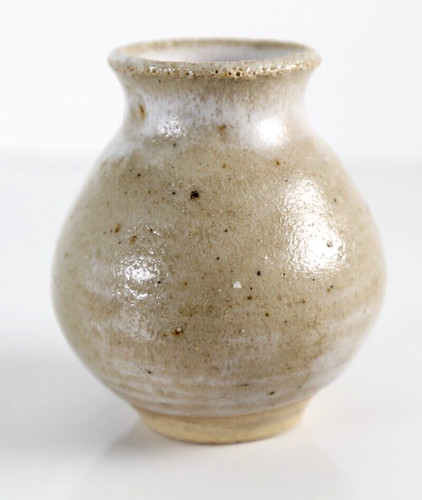
Work by Wright's apprentice, showing how his appreciation for Eastern aesthetics influenced his students.
View Details